When it comes to online advertising, two platforms dominate the digital marketing landscape: Meta Ads and Google Ads.
Both can generate leads, increase sales, and grow your business, but they work in very different ways. Choosing the right platform depends on your goals, audience, budget, and where your customers are in the buying journey.
So, which one is better?
The truth is, there isn’t a one-size-fits-all answer. Understanding the strengths of each platform can help you invest your marketing budget more effectively and achieve better results.
In this guide, we’ll compare Meta Ads and Google Ads to help you determine which platform is the best fit for your business.
What Are Meta Ads?
Meta Ads are advertisements displayed across Meta’s platforms, including:
- Messenger
- Audience Network
These ads allow businesses to target users based on demographics, interests, behaviors, online activity, and engagement patterns.
Meta Ads are excellent for reaching people who may not be actively searching for your product or service but are likely to be interested in what you offer.
What Are Google Ads?
Google Ads allow businesses to display advertisements across:
- Google Search
- YouTube
- Google Display Network
- Google Shopping
- Gmail
Unlike Meta Ads, Google Ads often target users who are actively searching for a product, service, or solution.
This means you’re reaching people with existing intent, which can lead to highly qualified traffic and conversions.
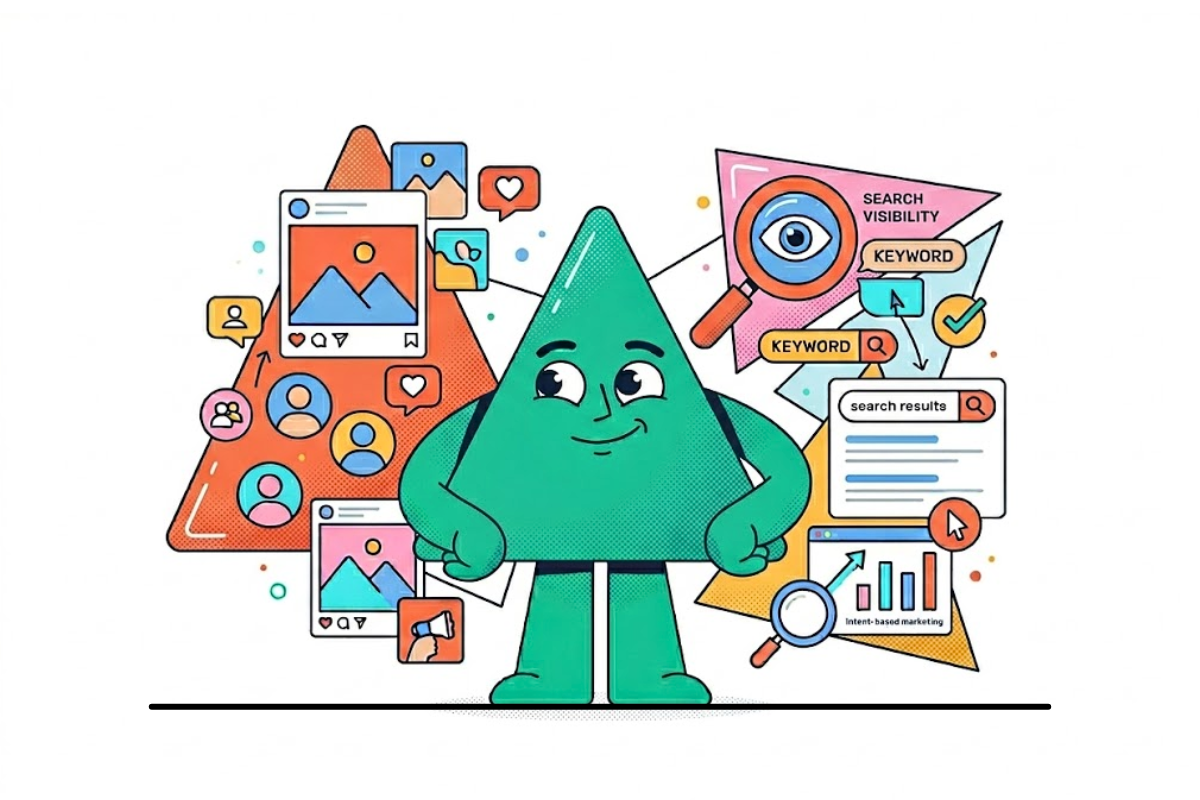
The Biggest Difference: Demand Creation vs Demand Capture
Understanding this distinction is crucial.
Meta Ads Create Demand
Meta Ads help businesses introduce products and services to potential customers who may not yet know they need them.
For example:
A user scrolling Instagram may discover your business through a compelling ad, even if they weren’t actively looking for your service.
Meta excels at generating awareness and interest.
Google Ads Capture Demand
Google Ads target people who are already searching.
For example:
Someone searching “web design agency near me” or “best social media marketing company” is already looking for a solution.
Google excels at capturing existing demand and converting high-intent users.
Audience Targeting Comparison
Meta Ads
Meta offers advanced audience targeting options based on:
- Interests
- Behaviors
- Demographics
- Customer lists
- Website visitors
- Social media engagement
This makes it ideal for brands looking to reach specific audiences and build awareness.
Google Ads
Basic Package ($300–$700/Month)
Google focuses primarily on search intent and user behavior.
You can target users based on:
- Search keywords
- Website visits
- Purchase intent
- Location
- Device type
For businesses targeting users with immediate needs, Google often provides highly qualified traffic.
Lead Generation: Which Platform Wins?
For lead generation, both platforms can be effective.
Meta Ads
Best for:
- Real estate
- Healthcare
- Agencies
- Coaches
- Local businesses
- Service providers
Meta’s Lead Forms allow users to submit their information directly within Facebook or Instagram.
This often results in lower friction and more leads.
Google Ads
Best for:
- Legal services
- Home services
- Professional services
- High-intent searches
- Emergency services
Google can produce fewer leads than Meta, but those leads are often highly qualified because users are actively searching.
Cost Comparison
Advertising costs vary depending on industry and competition.
Meta Ads
Advantages:
- Lower cost per impression
- Strong audience targeting
- Excellent for awareness campaigns
Challenges:
- Users may not be actively looking for your offer
- Requires strong creative content
Google Ads
Advantages:
- High purchase intent
- Strong conversion potential
- Excellent for capturing demand
Challenges:
- Competitive keywords can become expensive
- Costs often increase in highly competitive industries
Neither platform is universally cheaper. Performance depends on strategy, industry, and campaign execution.
Which Platform Is Better for Brand Awareness?
Meta Ads are generally the stronger choice for brand awareness.
The visual nature of Facebook and Instagram makes them ideal for:
- Storytelling
- Video marketing
- Product discovery
- Audience engagement
Businesses looking to increase visibility and build recognition often see excellent results with Meta campaigns.
Which Platform Is Better for Sales?
The answer depends on customer intent.
If people already know they need your service, Google Ads often perform exceptionally well.
If people need to be educated, inspired, or introduced to your solution, Meta Ads can be more effective.
Many successful businesses use both platforms together.
Why Combining Meta Ads and Google Ads Often Works Best
Instead of choosing one platform, many businesses achieve the best results by using both.
A common strategy looks like this:
Step 1: Generate Awareness with Meta Ads
Use engaging content to introduce your brand and attract potential customers.
Step 2: Retarget Interested Users
Show additional ads to users who interacted with your content or visited your website.
Step 3: Capture Intent with Google Ads
When prospects begin actively searching for solutions, Google Ads help convert that interest into leads and sales.
This approach creates a powerful marketing funnel that reaches customers at multiple stages of the buying journey.
Which Platform Should Your Business Choose?
Choose Meta Ads if you want to:
- Build brand awareness
- Reach new audiences
- Generate engagement
- Promote visual products or services
- Run cost-effective lead generation campaigns
Choose Google Ads if you want to:
- Capture high-intent searches
- Generate immediate inquiries
- Target customers ready to buy
- Drive website conversions
- Compete for industry-specific keywords
For many businesses, the most effective strategy is a combination of both platforms.
Final Thoughts
Meta Ads and Google Ads are both powerful advertising platforms, but they serve different purposes.
Meta Ads excel at building awareness, reaching targeted audiences, and generating demand. Google Ads excel at capturing existing demand and converting users who are actively searching for solutions.
Rather than asking which platform is better, businesses should focus on which platform aligns best with their goals, audience, and stage of growth.
When managed strategically, both platforms can work together to create a scalable system for generating leads, increasing visibility, and driving long-term business growth.