
Your brand is more than just a logo. It’s the way people perceive your business, remember your company, and differentiate you from competitors.
As businesses grow and markets evolve, brands can become outdated, inconsistent, or disconnected from their target audience. What worked a few years ago may no longer reflect who you are today or where your business is headed.
A strategic rebrand can help refresh your image, strengthen your positioning, and create new opportunities for growth.
But how do you know when it’s time for a rebrand?
Here are 10 clear signs that your business may be ready for one.
1. Your Brand Looks Outdated
Design trends change, customer expectations evolve, and visual styles that once looked modern can eventually feel old-fashioned.
If your logo, website, marketing materials, or social media presence haven’t been updated in years, potential customers may perceive your business as outdated as well.
A modern brand identity can help create a stronger first impression and increase trust.
2. Your Business Has Outgrown Its Original Brand
Many businesses start small and evolve over time.
Perhaps you’ve expanded your services, entered new markets, or shifted your target audience.
If your current branding no longer reflects what your business actually does, a rebrand can help align your identity with your growth and future goals.
3. Your Brand Lacks Consistency
Consistency is one of the most important elements of strong branding.
If your website, social media profiles, presentations, advertisements, and marketing materials all look different, customers may struggle to recognize and remember your business.
A rebrand can create a unified visual identity and messaging system that strengthens brand recognition across every touchpoint.
4. You're Struggling to Stand Out From Competitors
In competitive industries, blending in can be a major problem.
If your branding looks similar to everyone else in your market, customers may have difficulty understanding why they should choose you.
A rebrand can help clarify your unique value proposition and create a more distinctive position in the marketplace.
5. You're Attracting the Wrong Audience
Your branding influences who engages with your business.
If you’re consistently attracting leads that aren’t a good fit for your services, your brand messaging may not be communicating the right message.
A strategic rebrand can help reposition your business and appeal to your ideal customers.
6. Your Business Has Changed Direction
Businesses evolve.
You may have:
- Added new services
- Changed your business model
- Expanded into new industries
- Shifted your target market
When major changes occur, your branding should evolve alongside them. Otherwise, customers may become confused about what your business actually offers.
7. Your Website and Brand Feel Disconnected
Your website is often the most visible part of your brand.
If your website feels modern but your logo feels outdated or vice versa it can create an inconsistent customer experience.
Strong brands create a seamless experience across every customer interaction.
A rebrand ensures that your visual identity, messaging, and digital presence work together cohesively.
8. Customer Perception Doesn't Match Your Vision
How you see your business isn’t always how customers see it.
If customers consistently misunderstand your services, pricing, expertise, or positioning, your brand may not be communicating effectively.
A rebrand can help bridge the gap between your intended message and customer perception.
9. You're Preparing for Significant Growth
Businesses entering a new stage of growth often need branding that supports larger ambitions.
Whether you’re:
- Expanding internationally
- Launching new services
- Targeting larger clients
- Entering competitive markets
your current brand may no longer reflect the level of professionalism and credibility required for your next phase.
A rebrand can position your business for future success rather than past achievements
10. You Feel Embarrassed Sharing Your Brand
This may be the most obvious sign of all.
If you’re hesitant to share your website, business card, social media profiles, or marketing materials because they no longer represent your standards, it’s likely time for a change.
Your brand should be something you’re proud to present to potential customers.
Confidence in your brand often translates into stronger marketing, better customer experiences, and increased business opportunities.
What a Successful Rebrand Includes
A rebrand is much more than creating a new logo.
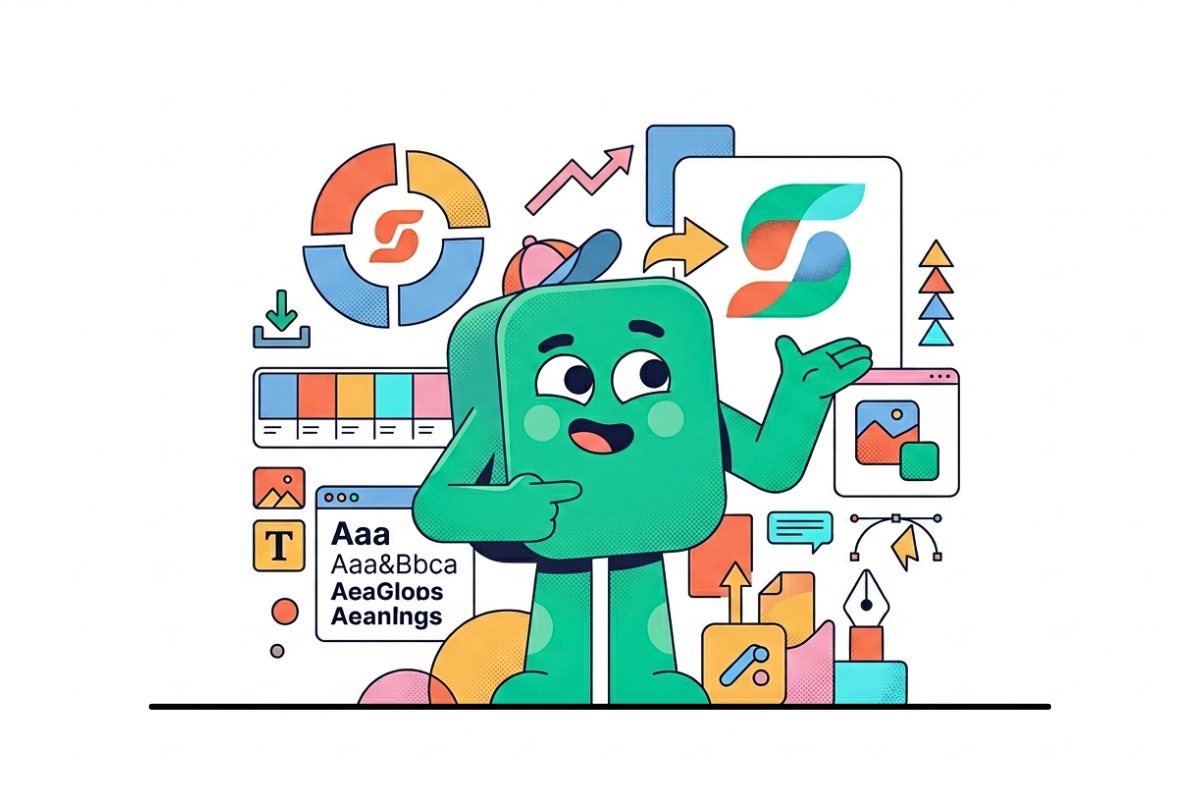
A comprehensive rebrand may include:
- Brand strategy
- Logo redesign
- Visual identity system
- Typography selection
- Color palette development
- Brand messaging
- Website redesign
- Marketing collateral updates
The goal is to create a brand that accurately reflects your business and supports long-term growth.
Rebrand vs Brand Refresh: What's the Difference?
Not every business needs a complete rebrand.
A brand refresh typically involves smaller updates such as:
- Modernizing a logo
- Updating colors
- Improving typography
- Refining messaging
A full rebrand involves deeper changes to positioning, identity, strategy, and customer perception.
The right approach depends on your goals and the challenges your business is facing.
Final Thoughts
Strong brands evolve alongside the businesses they represent.
If your branding no longer reflects your expertise, attracts the wrong audience, feels inconsistent, or struggles to stand out in a competitive market, it may be time to consider a rebrand.
A thoughtful rebrand can improve credibility, strengthen customer trust, increase brand recognition, and position your business for future growth.
The most successful brands aren’t afraid to evolve—they understand that staying relevant is essential in an ever-changing marketplace.