
Digital marketing has transformed the way businesses attract customers, generate leads, and grow their brands. Today, having a great product or service isn’t enough—your business also needs a strong online presence that helps potential customers find and trust you.
For small businesses, digital marketing offers an opportunity to compete with larger companies without requiring massive advertising budgets. When implemented correctly, it can increase visibility, drive qualified traffic, generate leads, and create long-term business growth.
In this guide, we’ll cover the essential digital marketing strategies every small business should understand in 2026.
What Is Digital Marketing?
Digital marketing refers to promoting products or services through online channels such as search engines, websites, social media platforms, email, and paid advertising.
Unlike traditional marketing, digital marketing allows businesses to target specific audiences, track performance, and continuously improve results through data and analytics.
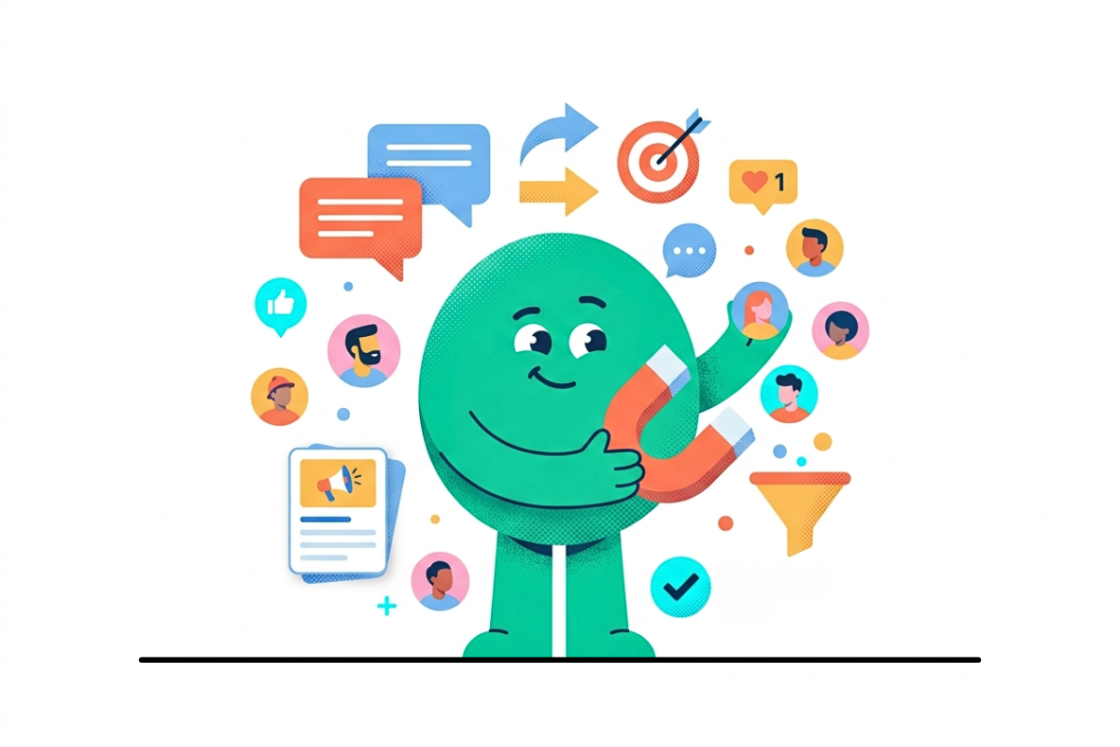
The goal is simple: attract the right audience and convert them into customers.
Why Digital Marketing Matters for Small Businesses
Consumer behavior has changed dramatically.
Before making a purchase, most people:
- Search online
- Visit websites
- Read reviews
- Compare options
- Check social media profiles
If your business isn’t visible during this process, you’re likely losing potential customers to competitors.
Effective digital marketing helps businesses:
- Increase brand awareness
- Generate qualified leads
- Drive website traffic
- Build trust and credibility
- Improve customer retention
- Increase sales
Build a Professional Website First
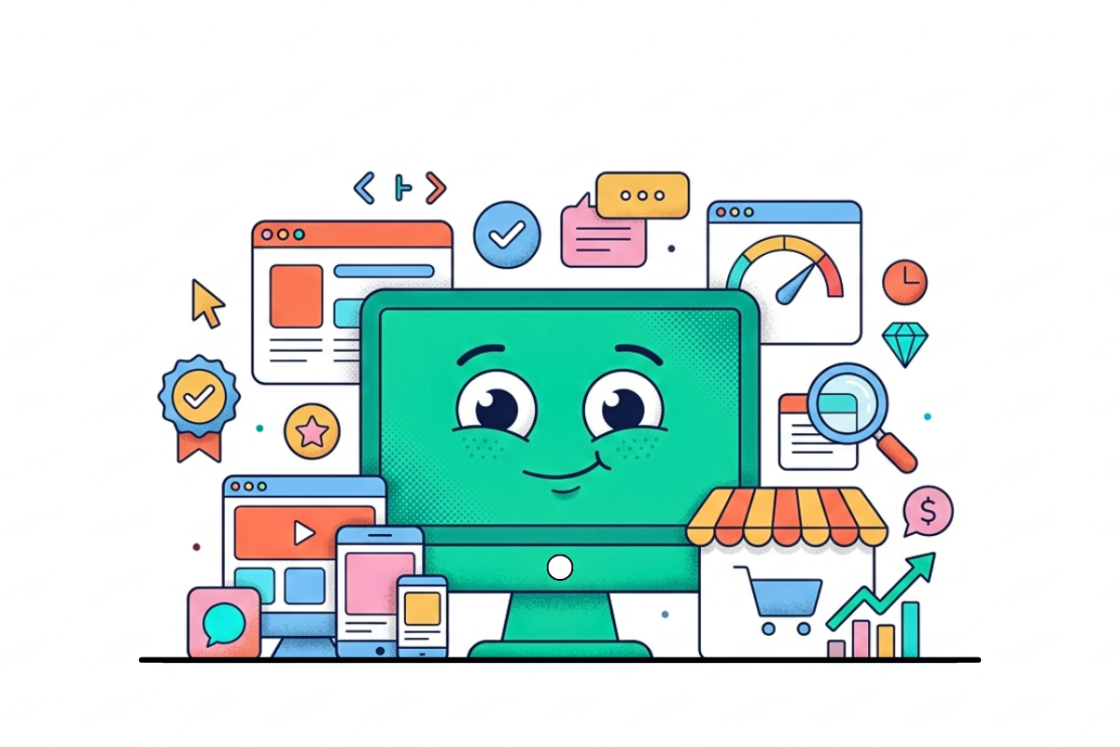
Your website is the foundation of your digital marketing strategy.
Every marketing campaign—whether it’s social media, Google Ads, or email marketing—ultimately directs people to your website.
A professional website should:
- Be mobile-friendly
- Load quickly
- Include clear navigation
- Showcase your services
- Feature strong calls-to-action
- Be optimized for search engines
Without a strong website, marketing efforts often produce weaker results.
Invest in Search Engine Optimization (SEO)
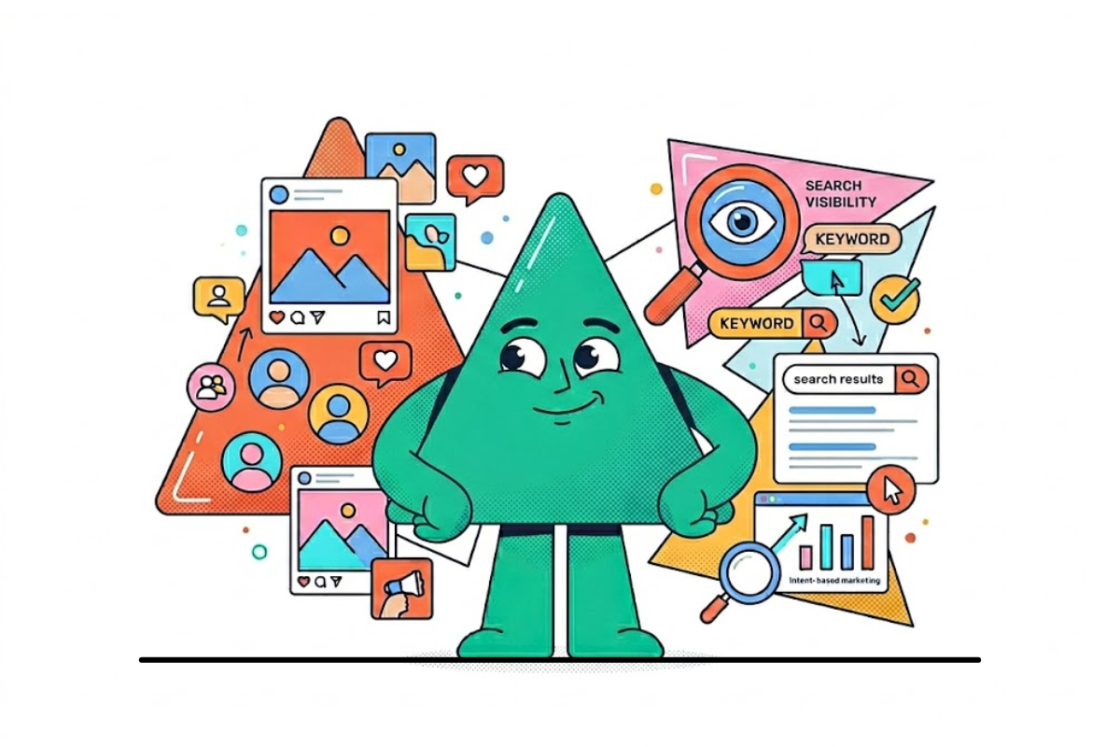
SEO helps your website appear in search engine results when people are looking for products or services related to your business.
Unlike paid advertising, SEO focuses on earning visibility organically.
Key SEO elements include:
Keyword Research
Identify the terms your ideal customers are searching for.
Content Creation
Publish valuable content that answers customer questions.
On-Page Optimization
Optimize titles, headings, URLs, and content structure.
Technical SEO
Improve site speed, mobile usability, and indexing.
SEO is a long-term investment, but it can become one of the most valuable sources of traffic and leads.
Use Social Media Strategically
Social media allows businesses to connect with audiences, build relationships, and increase brand visibility.
Popular platforms include:
- TikTok
- YouTube
Rather than trying to be everywhere, focus on the platforms where your target audience spends the most time.
Successful social media marketing combines:
- Consistent posting
- Valuable content
- Audience engagement
- Brand storytelling
- Performance tracking
The goal isn’t simply gaining followers—it’s building trust and creating opportunities for business growth
Leverage Paid Advertising
Paid advertising helps businesses reach customers faster than organic marketing alone.
Two of the most popular advertising platforms are:
Meta Ads
Meta Ads allow businesses to advertise on Facebook and Instagram.
These campaigns are excellent for
- Brand awareness
- Lead generation
- Retargeting
- Audience growth
Google Ads
Google Ads help businesses reach users actively searching for products and services.
They’re particularly effective for:
- High-intent searches
- Local businesses
- Service providers
- E-commerce stores
Many businesses achieve the best results by combining both platforms.
Create High-Quality Content
Content marketing helps attract, educate, and convert potential customers.
Examples include:
- Blog articles
- Videos
- Guides
- Case studies
- Social media content
High-quality content improves SEO, builds trust, and positions your business as an authority in your industry.
Focus on solving problems and answering questions your audience is already asking.
Build an Email Marketing Strategy
Email remains one of the highest-performing digital marketing channels.
Unlike social media platforms, your email list is an asset you own.
Email marketing can help you:
- Nurture leads
- Promote services
- Share updates
- Encourage repeat purchases
- Build customer loyalty
Even a small, engaged email list can produce significant results over time.
Focus on Lead Generation
Generating traffic is important, but generating leads is what drives business growth.
Your website should include clear opportunities for visitors to take action.
Examples include:
- Contact forms
- Quote requests
- Free consultations
- Downloadable resources
- Newsletter signups
Every marketing activity should support a larger lead-generation strategy.
Track and Measure Results
One of the biggest advantages of digital marketing is the ability to measure performance.
Important metrics may include:
- Website traffic
- Conversion rates
- Cost per lead
- Return on ad spend
- Email open rates
- Search rankings
Tracking data helps identify what’s working and where improvements can be made.
Businesses that make decisions based on data often achieve better long-term results.
Common Digital Marketing Mistakes Small Businesses Make
Many businesses struggle because they:
- Ignore SEO
- Have outdated websites
- Post inconsistently on social media
- Run ads without a strategy
- Fail to track results
- Focus on vanity metrics instead of business outcomes
Avoiding these mistakes can significantly improve marketing performance.
Creating a Simple Digital Marketing Plan
If you’re just getting started, focus on these steps:
- Build a professional website.
- Optimize your website for SEO.
- Establish a presence on relevant social media platforms.
- Create valuable content consistently.
- Invest in targeted advertising.
- Capture and nurture leads.
- Track results and improve over time.
Consistency often matters more than complexity.
Final Thoughts
Digital marketing offers small businesses an unprecedented opportunity to compete, grow, and reach customers online.
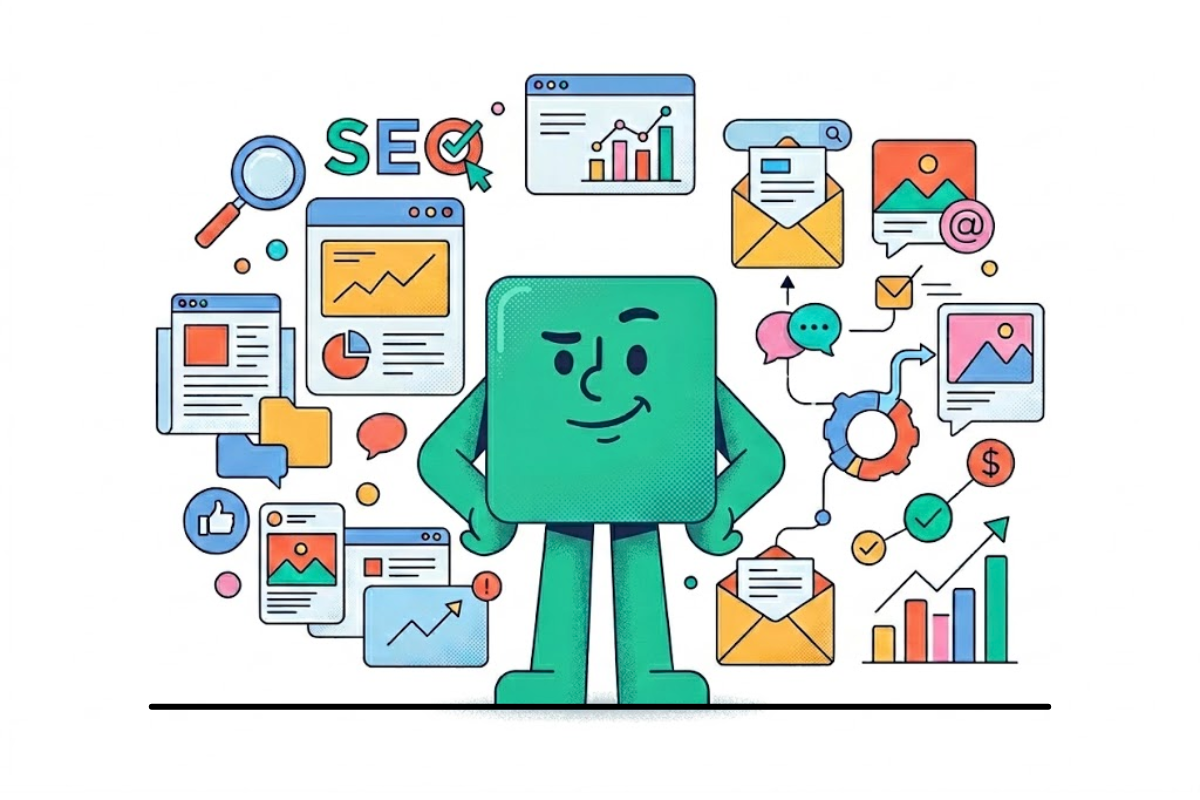
The most successful businesses don’t rely on a single tactic. Instead, they combine websites, SEO, social media, content marketing, advertising, and lead generation into a cohesive strategy.
While digital marketing continues to evolve, the fundamentals remain the same: understand your audience, provide value, build trust, and create clear paths for potential customers to take action.
Businesses that invest in these foundations today will be better positioned for sustainable growth in 2026 and beyond.